SuppVista
Understand What’s Inside

Getting all of the Nutrients you need simply cannot be done without supplements.

Nam libero tempore, cum soluta nobis eligendi cumque quod placeat facere possimus assumenda omnis dolor repellendu sautem temporibus officiis

+1 599 162 4545

5689 Lotaso Terrace, Culver City,
CA, United States

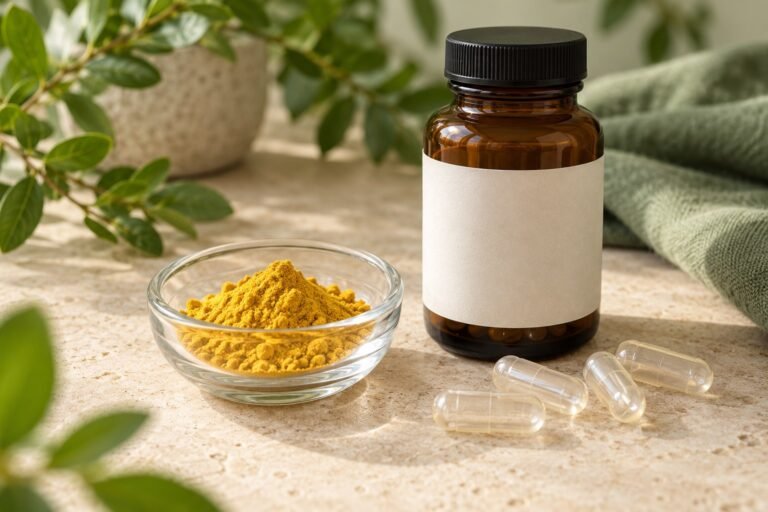
Illustrative foods: leafy greens, seeds, yogurt and turmeric
Ingredient Library

Understand What’s Inside

Find out what an ingredient is, how its common forms differ and what the research says. Then check the amount and preparation on the product label.

  • Ingredient references for informed reading
  • Form and label comparison tables
  • Evidence limits and practical cautions
Forms, labels and research context

Explore the ingredient library

A practical starting point

Four questions for any ingredient

Record the exact preparation rather than a familiar category name.

Keep the amount and serving basis together.

Check whether the research studied the ingredient or the finished product.

Note missing label details and unanswered questions before comparing products.

Choose an ingredient question

Magnesium explains elemental amounts, forms and the limits of sleep evidence. Probiotics focuses on strain identity, viable counts and storage. These are different label problems, so start with the one you need to resolve.

Turmeric and curcumin distinguishes spice, extract and absorption-enhanced preparations. Vitamin D covers forms, units and repeated sources. Collagen separates skin endpoints from broader aging claims and explains why study quality matters.

How to use the library

Read the definition and source context first. Then copy the exact preparation and amount from the label you are considering. Compare the advertised outcome with the outcome actually discussed in the source. A recognizable ingredient name does not establish that the study and product match.

Each guide below explains the ingredient’s common forms, the research behind its uses and the details to look for on a label. Choose the ingredient you are considering, then use its questions to check a specific product.

From ingredient knowledge to a useful comparison

Keep three records separate: what the label states, what research supports in a defined setting and what remains unknown about the finished formula. For a missing amount or strain identifier, note the gap instead of supplying a guess. Source links near the discussion help you inspect the exact context.

Next use Supplement Facts label reading for the panel, formula comparison for a worksheet and Buying Guides for category tradeoffs and transaction terms. A professional conversation or no purchase can be an appropriate outcome when a label does not answer the underlying question.