

Buying Guides


Weight Loss Supplements Buying Guide: Ingredients With Evidence and Red Flags
Weight loss supplements rarely do much. In the trials summarized by the NIH Office of Dietary Supplements, the more promising ingredients produced roughly half a kilogram to one kilogram of extra weight loss compared with placebo, usually over a few weeks or months, and the best-designed studies often found no difference at all. Some ingredients also carry real risks, from liver injury to hidden stimulants. A useful buying decision starts with those realistic numbers and a careful look at the label.

On this page
Disclosure: This article links to SuppVista product reviews. Those review pages contain affiliate links, and SuppVista may earn a commission if you buy through them, at no extra cost to you. No company paid for placement in this article. See our editorial policy.
What realistic results look like
The NIH fact sheet on weight loss supplements reviews dozens of ingredients and notes repeatedly that the studies are small, short or of low quality, and that many products combine ingredients so it is hard to know what does what (NIH ODS). It also makes the point that diet, calorie reduction and physical activity remain the basis of long-term weight loss.
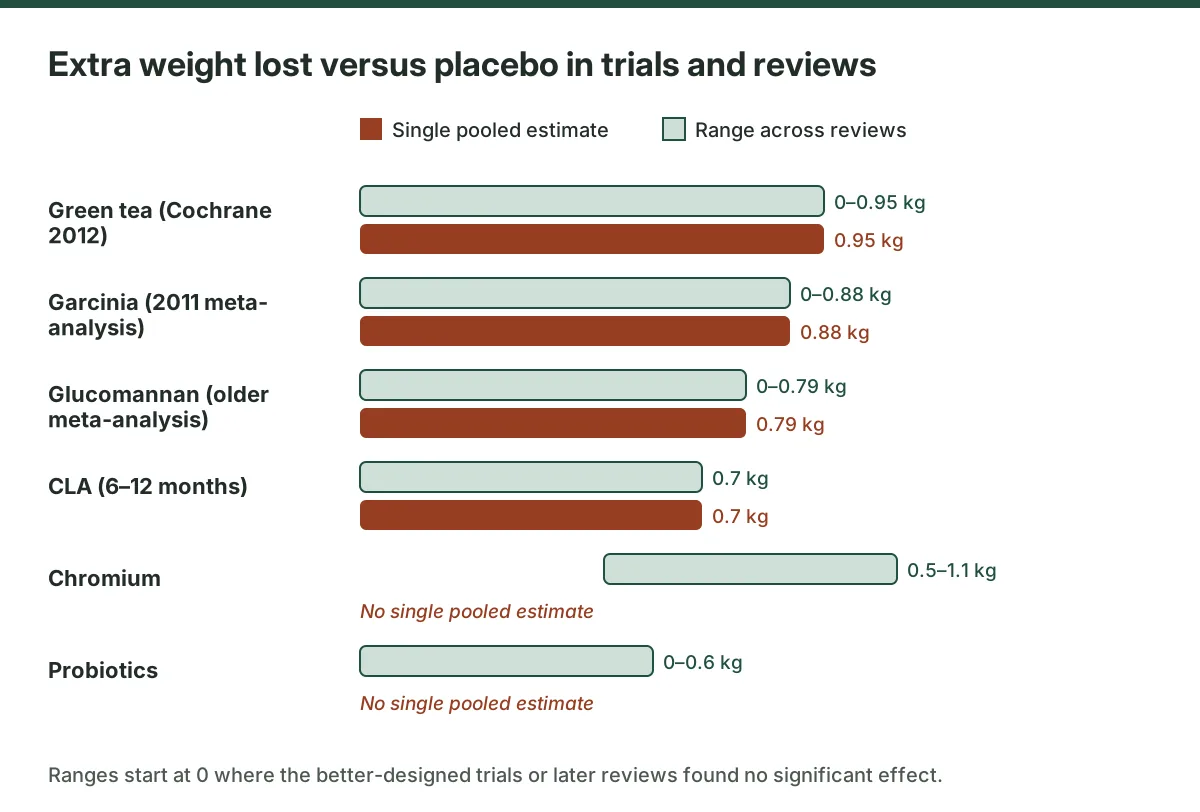
Figures from the NIH Office of Dietary Supplements fact sheet, which summarizes small and often short trials. Several of the most rigorous trials found no effect.
| Ingredient | What the reviews found | Safety notes |
|---|---|---|
| Green tea extract | About 0.95 kg more than placebo in a 2012 Cochrane review, but no significant difference in six studies outside Japan | Extracts have been linked to raised blood pressure, nausea and liver damage |
| Caffeine | Mostly studied inside combination products, so its own effect is unclear | Up to 400 mg a day is considered safe for healthy adults; some herbal products do not declare their caffeine |
| Garcinia cambogia | About 0.88 kg in a 2011 meta-analysis, but the two most rigorous trials showed no effect | Liver toxicity reported, including a death and two transplants, mostly with multi-ingredient products |
| Chromium | 0.5 to 1.1 kg in different analyses; clinical relevance "uncertain" | Generally well tolerated at usual intakes |
| Glucomannan (konjac fiber) | Small loss in an older analysis; no significant effect in a 2015 review | Tablets have been linked to blockage of the esophagus; take with plenty of water |
| CLA | About 0.7 kg over 6 to 12 months | Digestive upset is common |
| Probiotics | Inconsistent; one analysis found about 0.6 kg, a later one no change in weight | Unlikely to harm healthy people |
| White kidney bean | Possible modest effect | Few safety concerns in studies up to 12 weeks |
Two ingredients that appear in many current products, berberine and ashwagandha, were not covered in the portion of the fact sheet we read. Berberine has more research for blood sugar than for weight; our berberine guide explains what has been measured. Ashwagandha is marketed for stress-related eating, which we cover separately.
The safety problem in this category
Weight loss products are one of the categories where the FDA most often finds hidden drugs. Sibutramine, a prescription weight loss drug withdrawn from the U.S. market in 2010, is among the drug ingredients most frequently found in products sold as supplements, and it can raise blood pressure and heart rate significantly (NutraIngredients report on an FDA warning). Products bought from unfamiliar online sellers, especially without a Supplement Facts panel, carry the highest risk.
Stimulants are a second issue. A product can contain caffeine from guarana, green tea or coffee extracts without stating the total milligrams, and some labels describe themselves as "stimulant free" while listing caffeine. Our guide to caffeine in supplements shows how to add up sources.
How reviewed weight management products compare
This table summarizes what SuppVista's reviews recorded about each product's formula. It is not a ranking.
| Product (review) | Main ingredients | What is disclosed | Points to check |
|---|---|---|---|
| GLP-1 Plus | Dihydroberberine, gymnema, chromium, cassia cinnamon, CaloriBurn GP | All five active amounts per 2 capsules | Not a GLP-1 medicine; no trial of the finished product |
| WeGoSlim | Berberine HCl, olive leaf, moringa, citrus bioflavonoid, holy basil and others | Names only; no amounts | Berberine interactions; returns require sending back every bottle |
| SeroBurn | Morning capsule with vitamins plus a blend including caffeine, 5-HTP and L-tryptophan | Morning nutrients and blend total; caffeine amount and full evening label not confirmed | "No stimulants" badge conflicts with the label; 5-HTP and antidepressants |
| AdaptoGen | Nine adaptogenic herbs including ashwagandha and rhodiola | Names only; no amounts | Interactions with thyroid, blood pressure, sedative and blood-thinning medicines |
| Lanta Flat Belly Shake | Chromium 35 mcg plus four blends including greens and green tea | Blend totals; individual amounts and caffeine not stated | Fiber figures on the panel are inconsistent; contains barley and wheat grass |
| All Day Slimming Tea | Morning green and oolong tea; evening blend built on senna | Ingredient names and blend totals | Senna is a stimulant laxative, not a fat-loss ingredient; caffeine undisclosed |
Some products in this category are not supplements at all. Weight Loss 2.0 is a self-guided digital program and 15 Keto Meal Plans is a recipe PDF; for those, the questions are about the author, the plan and the refund terms rather than ingredients.
Red flags on a weight loss label or sales page
- Promises of fast or effortless loss, such as pounds per week without diet changes. The FDA’s own fraud tip sheet lists “lose weight without diet or exercise” as a warning sign.
- Drug-like names (“GLP-1”, “Ozempic alternative”) on a supplement.
- “Fat burning” teas whose evening blend contains senna or other laxatives. Laxatives move water and stool, not body fat; see our slimming tea guide.
- Caffeine sources without a total caffeine amount.
- Missing Supplement Facts panel, or a panel that disagrees with the sales page.
- Multi-bottle bundles with refund terms that require returning every bottle.
Before you buy
Check the label with a pharmacist if you take blood pressure, diabetes, thyroid, psychiatric or blood-thinning medicines, or if you have liver, heart or kidney disease. If you use a GLP-1 medicine or another prescription weight loss treatment, avoid adding products that promise the same effect without speaking to your prescriber; our guide to GLP-1 medications versus "GLP-1" supplements explains the difference.
Questions readers ask
Which weight loss supplement works best?
None stands out in the research summarized here. The largest pooled effects are about one kilogram over placebo, and better-quality trials often show less.
Are "natural" weight loss pills safer than prescription drugs?
Not necessarily. Green tea extract and garcinia have been linked to liver injury, and some products sold as natural have contained hidden prescription drugs.
Can a supplement replace diet and exercise?
The NIH fact sheet treats lifestyle change as the foundation of weight loss. Supplements, at most, add a small amount on top.
Suggested products
GLP-1 Plus
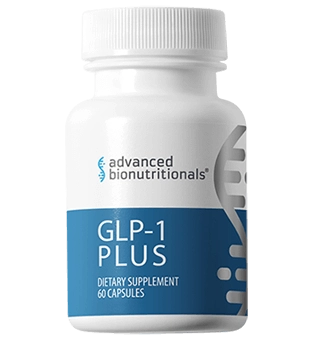
The review describes a capsule formula with dihydroberberine, gymnema, chromium, grains-of-paradise extract and cassia cinnamon.

SeroBurn
The review distinguishes separate AM and PM products; the AM label combines vitamins and minerals with an 843.5 mg proprietary blend.
All Day Slimming Tea
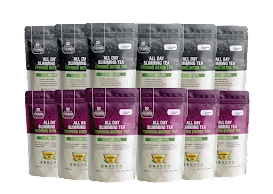
The review compares separate morning and evening tea blends, including caffeinated teas in the morning and senna in the evening.
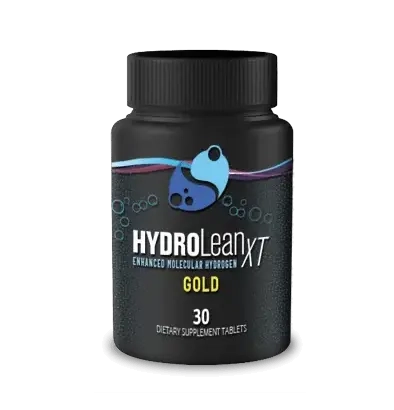
HydroLean XT Gold
The review explains an effervescent tablet format with magnesium, vitamins, coleus and pomegranate.
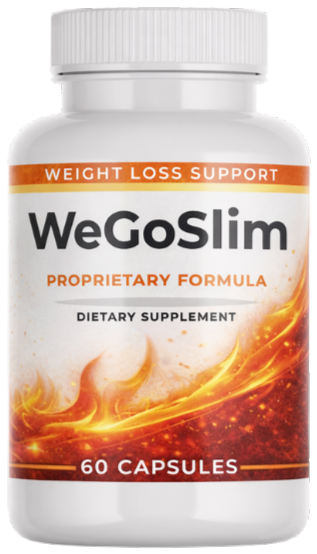
WeGoSlim
A review of a berberine-led capsule formula with olive leaf, moringa, holy basil and other botanicals.
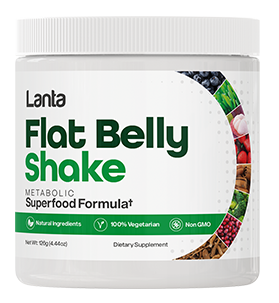
Lanta Flat Belly Shake
The review describes a powder drink mix with chromium and greens, reds, metabolic-support and digestive-support blends in a 4.18 g scoop.