

Buying Guides


Blood Sugar Supplements: An Ingredient-First Buying Guide
Most "blood sugar support" supplements draw on the same four ingredients: berberine, chromium, cinnamon and gymnema. Berberine has the most human research and shows modest glucose drops in type 2 diabetes; the others show small or inconsistent effects. No supplement has been shown to manage diabetes on its own, and several can add to glucose-lowering medicines. So shop ingredient first: what each has shown in people, at what amount, and whether the label tells you how much is inside.

On this page
Disclosure: This article links to SuppVista product reviews. Those review pages contain affiliate links, and SuppVista may earn a commission if you buy through them, at no extra cost to you. No company paid for placement in this article. See our editorial policy.
Read this first if you take diabetes medicine
The U.S. National Center for Complementary and Integrative Health (NCCIH) states plainly that supplements should not replace medical treatment for diabetes, and that people taking diabetes drugs should tell their providers about any herbal products they use (NCCIH). The reason is practical. Berberine, chromium and cinnamon are all marketed for lowering glucose; combined with insulin, sulfonylureas or other medicines, they could push levels lower than intended. Chromium's NIH fact sheet lists insulin and metformin as possible interactions for exactly this reason (NIH ODS).
There is also a contamination problem in this category. FDA testing has found products sold as natural diabetes supplements that contained undeclared prescription drugs, including metformin, glyburide and phenformin, a drug withdrawn from the U.S. market in 1978 (FDA). A product that promises to replace your medicine is a reason for caution, not a selling point.
What the evidence shows, ingredient by ingredient
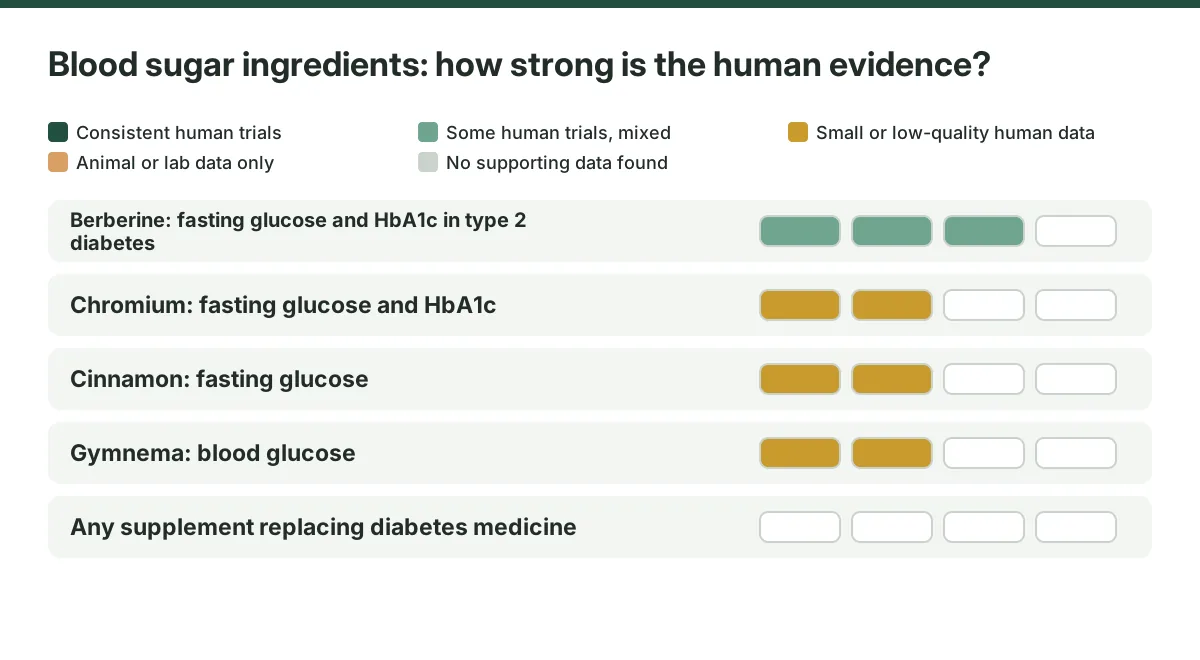
SuppVista's summary of the sources cited in this guide. Ratings describe the ingredient research, not any finished product.
| Ingredient | What human research shows | Amounts used in research | Main cautions |
|---|---|---|---|
| Berberine | A 2024 meta-analysis of 50 trials (4,150 people with type 2 diabetes) found lower post-meal glucose and lipids; the fasting glucose effect was borderline and HbA1c fell significantly only against placebo | Usually 0.9–1.5 g per day for about 3 months | Digestive upset; not for pregnancy, breastfeeding or infants; slows several drug-metabolizing enzymes |
| Chromium | Reviews report small reductions in fasting glucose and HbA1c of unclear clinical importance; a 24-week trial of 1,000 mcg daily found no effect | 200–1,000 mcg per day in trials; adults need roughly 20–35 mcg | Possible additive effect with insulin and metformin; may reduce levothyroxine absorption if taken together |
| Cinnamon | Trial results conflict; some reviews show lower fasting glucose without a change in HbA1c, and studies often do not say which cinnamon was used | Varies widely; trials often do not report the species or preparation | Cassia cinnamon contains coumarin, a concern for people with liver disease |
| Gymnema | A few small trials report mild drops in fasting glucose; overall effectiveness has not been shown | Trials used about 300–1,000 mg of leaf extract per day; 400 mg three times daily is a commonly suggested amount | Little standardization between products; rare liver injury reports |
Sources for the table: berberine (Wang et al., 2024); chromium (NIH ODS); cinnamon (NCCIH); gymnema (LiverTox).
A few points sit behind those rows. Most of the berberine trials were small, short and run in China; the authors judged the majority to be of low quality, and some pooled results shifted when a single study was dropped. The NCCIH clinical digest describes chromium and cinnamon trials as conflicting and concludes that there is not enough evidence that any supplement can manage or prevent type 2 diabetes (NCCIH clinical digest). For a deeper look at the most researched ingredient, see our berberine ingredient guide.
Six things to check on any blood sugar product
- Every active ingredient has an amount. A list of names, or a “blend of 15 herbs” without quantities, cannot be compared with research.
- The amount resembles what was studied. Multiply the amount per serving by the servings the directions call for each day, then compare with the research ranges above.
- The form is named. Berberine hydrochloride, dihydroberberine and a whole-herb powder are not interchangeable. Cinnamon should say cassia or Ceylon.
- Directions are consistent. The label, the FAQ and the sales page should agree on how much to take.
- Interactions are acknowledged. A responsible label or FAQ mentions diabetes medicines, pregnancy and other cautions rather than promising “no side effects”.
- The cost per day is clear. Work it out from the number of servings in the bottle, not from the bottle price; our serving size guide shows the arithmetic.
How the reviewed products compare
SuppVista has reviewed several products sold for blood sugar support. The table below is not a ranking. It shows how much each one discloses, based on the labels and sales materials recorded in our reviews.
| Product (review) | Glucose-related ingredients and disclosed amounts | Main gaps or cautions noted in the review |
|---|---|---|
| Insulin Herb (Berberine) | Berberine HCl 500 mg, milk thistle extract 105 mg, piperine 5 mg per capsule | Medicine interactions; the FAQ's allergen assurances conflict with a shared-equipment warning on the label |
| GLP-1 Plus | Per 2 capsules: dihydroberberine 200 mg, gymnema 400 mg, chromium 200 mcg, cassia cinnamon extract 100 mg, CaloriBurn GP 160 mg | A supplement, not a GLP-1 medicine; the label's "1,000 mg berberine equivalence" is not a clinical-equivalence finding |
| SLIN Glucose Disposal | Per 4 capsules: berberine HCl 500 mg, bitter melon 300 mg, cinnamon 200 mg, alpha-lipoic acid 150 mg, plus chromium | Aimed at trained adults; not for people using glucose-lowering drugs; directions vary between vendor pages |
| GlucoTrust | Gymnema, biotin, chromium, manganese, licorice, cinnamon, zinc, juniper berry named; no amounts | "Blend of 15 herbs" not itemized; full label and directions unverified |
| Gluco Guard Pro | No verified formula | Full ingredients and daily directions could not be confirmed |
| CelluFend | Label artwork names three bacteria and chicory inulin | Strain identities, count basis and directions unverified; GLP-1 claims go beyond the evidence |
| Gluconite | No complete ingredient panel found | Formula unverified; marketed around sleep and blood sugar |

Label figures are per labeled serving as recorded in SuppVista's reviews; how many servings a day depends on each product's directions. The trial range is the most common daily dose in the 2024 meta-analysis.
Two patterns stand out. Products that disclose amounts make it possible to compare them with research; products that do not leave the most important question unanswered. And amounts on the label still need the directions: 500 mg of berberine per capsule reaches the research range only if the product is taken more than once a day, which is also when digestive side effects and interactions become more relevant.
The dihydroberberine story is a good example of a claim worth reading closely. A five-person pilot found that a 100 mg dose of the newer form left more berberine circulating in the blood than a 500 mg dose of the standard form, yet the volunteers' glucose and insulin after a test meal were the same (Moon et al., 2021). Better absorption in a small pilot is not evidence of better glucose control.
Claims that should make you pause
- “Reverses diabetes” or “lets you stop your medication”. A product that claims to treat a disease is legally a drug, and stopping prescribed treatment can be dangerous.
- Drug-like names. A supplement called “GLP-1” or “insulin” is not a GLP-1 medicine or insulin.
- Formulas that are only described in a video, or labels you cannot read.
- “No side effects”. Berberine commonly causes nausea, diarrhea, constipation or bloating, according to NCCIH.
Before you buy
Bring the full label to your doctor or pharmacist, especially if you take insulin, a sulfonylurea, metformin, thyroid medicine or anything processed by the liver enzymes berberine affects. In a small study, two weeks of berberine slowed the breakdown of probe drugs handled by CYP2D6, CYP2C9 and CYP3A4 (Guo et al., 2012). If you go ahead, agree how you will monitor your glucose, and add one product at a time so you can tell what is responsible for any change.
People with diabetes who are pregnant, breastfeeding, managing kidney or liver disease, or caring for an infant should not start berberine; NCCIH warns it can worsen newborn jaundice.
Questions readers ask
Which blood sugar supplement works best?
There is no product with outcome trials to support a "best" label. At the ingredient level, berberine has the largest body of human research, but the trials vary in quality and the effects are modest.
Can I take cinnamon from my spice rack instead?
Cooking amounts are generally considered safe. NCCIH notes that doses below 6 grams a day do not appear to pose a health risk, but cassia cinnamon contains coumarin, which matters for people with liver disease, and research has not shown that cinnamon helps diabetes.
Do I need chromium if I eat a normal diet?
Adults need about 20 to 35 micrograms a day, and the NIH fact sheet describes the benefit of extra chromium for glucose control as small and of unclear importance.
Suggested products
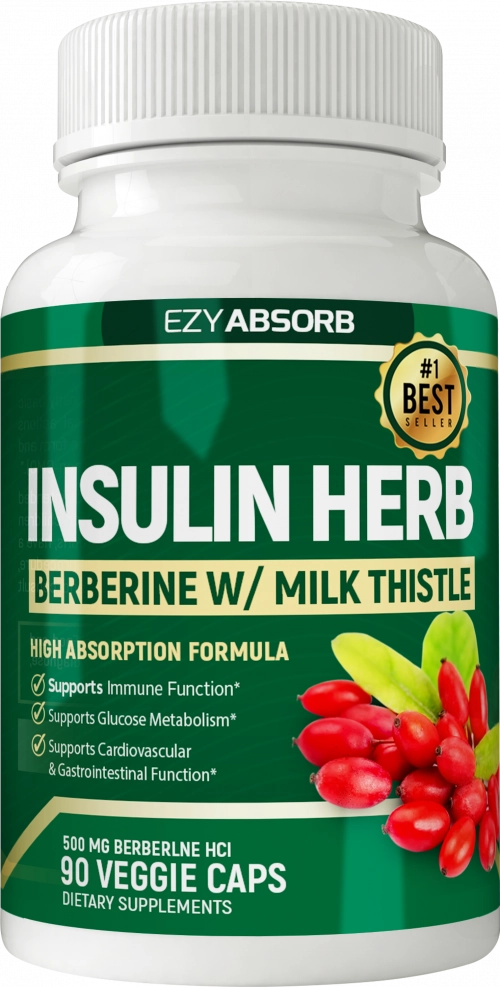
Insulin Herb (Berberine)
The review examines a berberine HCl capsule formula combined with milk thistle extract and piperine.

SLIN Glucose Disposal
A review of Enhanced Labs’ multi-ingredient capsules, including berberine, bitter melon, cinnamon and alpha-lipoic acid.
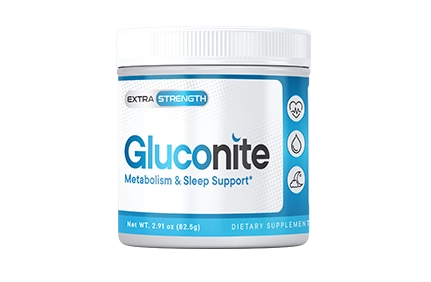
Gluconite
The review covers a nighttime powder formula, its ingredient presentation, routine and buying terms.
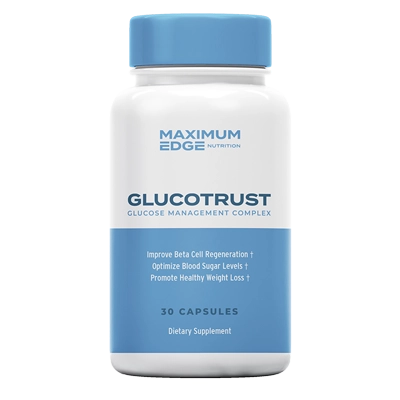
GlucoTrust
The review names gymnema and cinnamon alongside biotin, minerals, licorice and juniper in a capsule formula.

Blood Sugar Blaster
A review of a broad capsule formula with cinnamon, gymnema, banaba, minerals and other nutrients.

Gluco Guard Pro
The review examines this blood-sugar wellness capsule, label transparency and purchasing considerations.